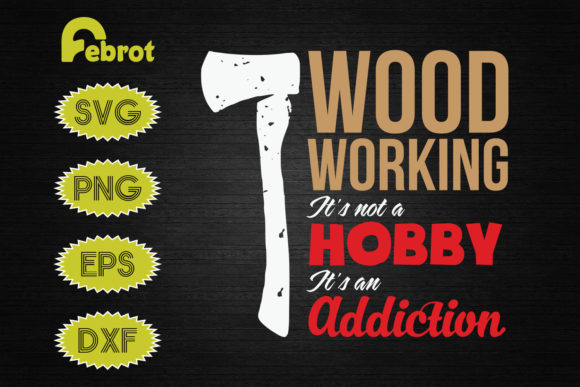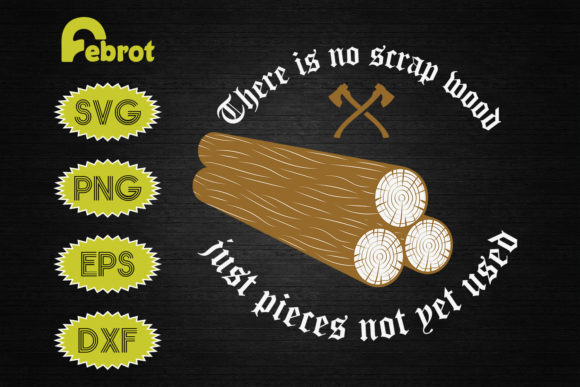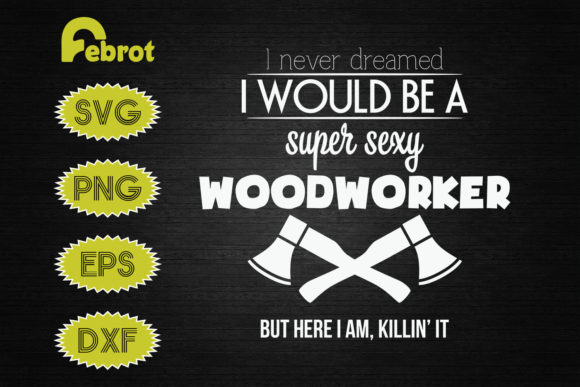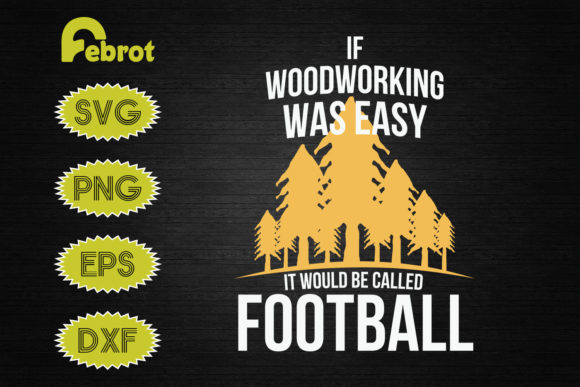
Woodworker Carpenter Woodturner Graphics and Crafts
As a blog designer and digital publisher, I’m always on the lookout for high-quality graphic design assets that elevate content presentation and support editorial quality. Woodworker Carpenter Woodturner is one such asset that offers versatility for real website and content publishing needs. This listing is for an instant digital download only, and it includes a ZIP file with designs in SVG, DXF, EPS, and PNG formats. The variety of file types makes it suitable for a wide range of creative projects, from printables to digital guides.
The First Impression: Aesthetic and Editorial Mood
Woodworker Carpenter Woodturner immediately conveys a sense of craftsmanship and attention to detail. The visual style leans toward a professional yet approachable aesthetic, making it ideal for content niches that blend lifestyle, education, and practicality. It feels modern, clean, and slightly artistic—perfect for blogs or websites focused on crafts, DIY, woodworking, or small business branding.
This design asset has a strong editorial mood that can help establish a consistent brand identity across multiple content formats. Whether used as a blog header or a Pinterest pin, it adds a polished touch that enhances reader trust and engagement.
Real Publishing Use Cases
Woodworker Carpenter Woodturner is highly adaptable for various publishing workflows. It works well as a featured image for blog posts about woodworking techniques, tool reviews, or craft tutorials. Its clean lines and structured layout make it ideal for article headers, website banners, and editorial layouts that need a professional look.
For content creators, this graphic design asset can serve as a digital guide cover, a downloadable printable, or a lead magnet. It also fits well into newsletter graphics, social media visuals, and Canva templates. The availability of SVG and EPS files means it can be scaled without losing quality, which is essential for both web and print use.
It’s also a great choice for affiliate marketing content, where visual hierarchy and brand identity play a key role in driving clicks and conversions. The design supports content marketing efforts by creating a stronger first impression and improving overall visual appeal.
Supporting Content Performance
Using Woodworker Carpenter Woodturner in your content workflow can significantly boost performance. Its clear visual hierarchy helps readers quickly grasp the main message, which is crucial for blog posts, digital guides, and social media previews. The design’s structure also improves click-through potential by making content more scannable and visually engaging.
When integrated into a website’s design, it strengthens brand identity and ensures consistency across different content types. This consistency builds reader trust and makes your site more recognizable. It also supports better category recognition, helping visitors navigate your site more effectively.
For publishers, this graphic design asset contributes to a more professional-looking content page, which can increase credibility and user retention. It’s especially useful for small business branding, where every visual element must align with the company’s image and values.
Where Woodworker Carpenter Woodturner Works Best
This design shines in hero images, article thumbnails, and Pinterest pins, where visual impact is key. It’s also effective as a blog graphic, editorial accent, or content upgrade that adds value to your audience. For downloadable resources like worksheets or digital guides, it provides a polished and cohesive look that enhances user experience.
Woodworker Carpenter Woodturner is ideal for newsletter headers, social media previews, and other visual elements that require a strong first impression. Its clean and modern design makes it suitable for a wide range of content types, from educational materials to creative marketplaces.
Where to Use With Caution
While versatile, Woodworker Carpenter Woodturner may not be the best fit for all scenarios. On small mobile thumbnails, its details might get lost, so it’s important to test how it appears at different sizes. In text-heavy blog images, it could distract from the main message, so balance is key.
It may not work well on low-contrast backgrounds or in busy layouts where simplicity is preferred. For serious professional niches or corporate content, a more minimal visual system might be more appropriate. Always consider the tone and purpose of your content before using this design asset.
Publisher Notes and Practical Tips
Before finalizing your design choices, test Woodworker Carpenter Woodturner on desktop and mobile screens to ensure it looks good across devices. Check how it appears as a thumbnail and preview it within a real blog layout to see how it integrates with existing content.
Test the design with headline text to ensure readability and visual harmony. Check contrast and readability in different lighting conditions, and try it in black and white to assess its versatility. Place it beside various font styles—serif, sans serif, script, handwritten, and display—to see how it interacts with different typography.
Review the file size for web performance and compress images properly to maintain fast loading times. Confirm the commercial license before using it on monetized websites, affiliate pages, or paid content products. Always ensure the design aligns with your brand’s visual system and content strategy.
Conclusion: A Valuable Addition to Your Design Toolkit
Woodworker Carpenter Woodturner is a powerful graphic design asset that can enhance your blog visuals, website branding, and editorial content. Its clean, modern style supports a wide range of publishing needs, from blog graphics to digital guides and social media visuals. When used thoughtfully, it can improve content performance, build reader trust, and strengthen your brand identity.
Whether you’re creating a digital product, a printable design, or a Canva template, this asset offers flexibility and quality that aligns with the needs of content creators, publishers, and small business owners. With proper testing and integration, it can become a valuable part of your creative design process.