Mushroom Design Graphics: A Freebie with Big Branding Potential
As a brand designer and content marketer, I’m always on the lookout for versatile graphic design assets that can elevate visual storytelling while fitting into various platforms and formats. Recently, I reviewed the Mushroom Design asset from a creative marketplace, and it caught my attention not just for its whimsical appeal but also for how well it could integrate into a cohesive marketing strategy. This is one of those rare freebies that feels like a premium offering—especially when you consider its high-quality 300 DPI files and compatibility with cutting machines and iron-on transfers.
Ethnicity Meets Modernity: First Impressions Matter
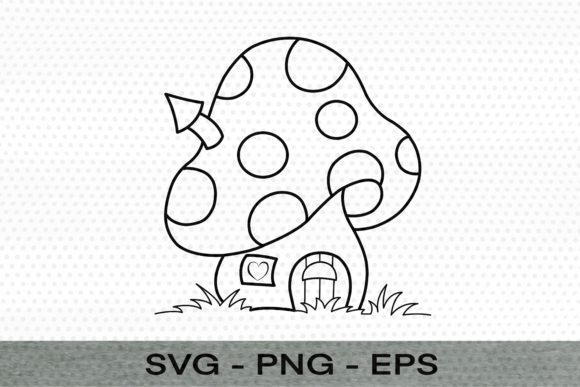
The first thing that struck me about Mushroom Design was its balance between organic charm and modern minimalism. The design has a subtle hand-drawn quality that gives it warmth and personality, yet it’s clean enough to work in both lifestyle content and commercial materials. It doesn’t scream “crafty,” but it doesn’t shy away from creativity either, making it ideal for small business branding or digital product visuals that aim to feel approachable and authentic.
Visually, it evokes a sense of nature, wellness, and mindfulness—perfect for brands in the health, wellness, food, or eco-friendly niches. The soft curves and muted tones create a calming mood, which can be especially effective for editorial design or content marketing campaigns aiming to build audience trust and emotional connection.
A Flexible Graphic Design Asset for Multiple Marketing Use Cases
One of the biggest strengths of Mushroom Design is its adaptability. As a multi-format graphic (including SVG and PNG), it works across a range of applications:
- Social media graphics: From Instagram posts to Pinterest pins, the design adds a touch of natural elegance without overwhelming the message.
- Packaging design accents: Whether as a label motif or a decorative element on inserts, it enhances the perceived value of handmade products or artisanal packaging.
- Digital ads and email banners: When layered subtly, it supports a strong visual hierarchy while maintaining professionalism.
- Canva templates: The file types make it easy to slot into branded templates, helping content creators streamline their workflow for consistent brand identity.
This design bundle isn’t limited to one platform or use case. Its versatility allows it to be part of a broader creative toolkit, especially for bloggers, publishers, and online coaches who need a quick way to refresh their visual content with something memorable and on-brand.
How Mushroom Design Supports Stronger Campaigns
In real-world marketing projects, every detail contributes to the overall impact. Mushroom Design brings several key advantages to the table:
- Stronger first impression: The design’s unique silhouette and texture help your visuals stand out from generic stock images or clipart.
- Clearer visual hierarchy: When used as an accent rather than a focal point, it guides the viewer’s eye toward the main message without causing clutter.
- Better engagement: The playful yet professional aesthetic aligns well with lifestyle content and event promotions, especially among younger demographics and wellness-focused audiences.
- Consistent branding: With proper color adjustments, it can become a recurring motif across your website headers, product labels, and promotional banners—supporting a unified look and stronger recognition.
- Memorable campaign visuals: The design’s distinctiveness makes it easier to build a visual language around it, whether you’re launching a new product or preparing a seasonal offer.
Real-World Application: Launching a Wellness Product Line
To test Mushroom Design, I integrated it into a mock project for a small business launching a line of herbal teas. The goal was to create a set of marketing visuals that felt natural, inviting, and aligned with the brand’s values of sustainability and self-care.
I placed the mushroom illustration in hero graphics for landing pages, using it to frame product descriptions and add a subtle visual rhythm. For social media covers, I paired it with a minimalist sans serif font, enhancing readability and reinforcing the brand’s modern design ethos. In blog headers, it worked beautifully alongside handwritten-style typography to convey authenticity and approachability.
What impressed me most was how easily the design adapted to different contexts without losing its core character. It helped maintain a consistent tone across all channels, from print to digital, and even supported the creation of printable promotions and merchandise designs.
Design Compatibility and Creative Pairings
As a brand designer, I always check how a new graphic design asset interacts with other elements in the visual system. Here’s what I found with Mushroom Design:
- Serif fonts: Works well with classic typefaces like Georgia or Garamond for editorial layouts and lead magnets.
- Sans serif fonts: Pairs effortlessly with clean, modern styles such as Helvetica Neue or Montserrat in web design and digital ads.
- Script and display fonts: Adds contrast and visual interest when combined with bold or elegant handwriting styles.
- Spacing and balance: The mushroom’s shape naturally creates white space, which is great for improving layout aesthetics and readability.
However, if your brand uses a very minimalistic style or relies heavily on text-based communication, you may want to use this asset sparingly. It’s best suited for designs where the imagery complements the message rather than competes with it.
Where to Use Mushroom Design Carefully
While Mushroom Design is incredibly flexible, there are certain situations where it might not perform optimally:
- Formal corporate branding: If your brand image is more traditional or professional, the organic feel might clash with the expected tone.
- Dense information layouts: In cases where clarity and simplicity are critical, such as infographics or data-heavy presentations, the design should be secondary or omitted altogether.
- Small mobile graphics: Though high-res, intricate details may get lost at smaller sizes. Always preview it on mobile screens before finalizing any digital ad or social media post.
- Low-contrast backgrounds: The muted palette means it needs a strong backdrop to remain visible. Avoid placing it on pale or washed-out colors unless you adjust the opacity or stroke.
It’s also worth noting that brands leaning into a stark, monochrome aesthetic may find it challenging to incorporate this asset without disrupting the visual harmony. That said, with thoughtful placement and color testing, it can still enhance the design without overpowering it.
Brand Designer Notes: Best Practices for Using Mushroom Design
Here are some practical tips for integrating Mushroom Design into your marketing and branding efforts:
- Test it with your brand color palette: See how it looks in your primary and secondary hues to ensure it aligns with your visual identity.
- Check black and white usage: Especially important for printed materials or grayscale displays—make sure the design remains legible and appealing without color.
- Place it inside real campaign mockups: Try layering it over your actual product shots, website copy, or social media drafts to see how it functions in context.
- Preview on mobile screens: Ensure the design scales well and maintains its visual presence across devices.
- Confirm commercial licensing: Before using it in paid campaigns, client work, or branded assets, verify that the asset includes the necessary permissions for commercial use.
Final Thoughts on Mushroom Design as a Freebie
Overall, Mushroom Design is a standout addition to any brand’s content kit. As a graphic design asset, it bridges the gap between casual creativity and professional branding, offering a fresh, engaging visual element that can support multiple marketing goals. It’s particularly valuable for content creators and small business owners looking to add depth and character to their social media graphics or digital product visuals without investing in custom illustrations.
Its ease of use—being compatible with cutting machines and high-resolution printing—makes it a favorite for DIY marketers and designers who appreciate efficiency without compromising quality. And with the right styling and placement, it can serve as a powerful tool for building stronger audience connections through thoughtful, emotionally resonant visuals.
If you’re working on a seasonal promotion, refreshing your packaging design, or creating a set of editorial graphics, give Mushroom Design a try. Just remember to evaluate its role within your overall brand identity and use it strategically to avoid visual noise.