Kitchen Conversion Chart Embroidery Design Review
As an embroidery designer with years of experience in creating and reviewing machine embroidery designs for a wide range of handmade and commercial projects, I always look for pieces that not only add value but also elevate the overall aesthetic of the finished product. The Kitchen Conversion Chart is one such design that caught my attention—not just for its utility, but for how it can blend seamlessly into real-life embroidery work.
First Impressions: A Practical and Stylish Design
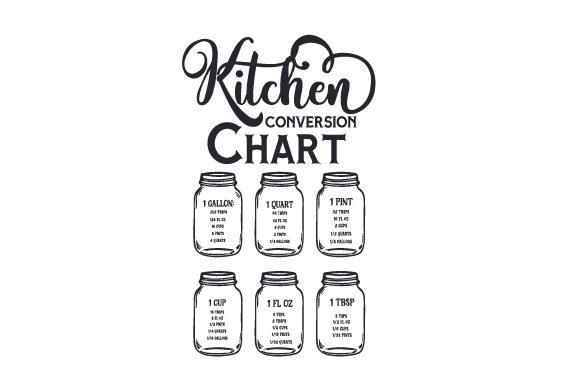
The Kitchen Conversion Chart brings a sense of organization and charm to any embroidery project. It’s designed with clear, readable text and a layout that feels both educational and decorative. The visual personality is clean and modern, which makes it ideal for kitchen-themed items like aprons, tea towels, or even embroidered mugs. Its structure suggests a love for cooking and crafting, making it perfect for gifters who appreciate thoughtful, functional details.
From a first glance, the shape and theme are well-balanced. It doesn’t overwhelm the eye but instead invites it in. The layout arranges measurements in a logical flow, and the level of detail is just right—enough to be useful without being too busy. This balance means it can adapt well to different fabrics and applications, from casual tote bags to more refined home décor items.
Real-Life Use Case: Custom Embroidered Apron
Let’s imagine a practical application: a custom embroidered apron for a local boutique selling handmade kitchenware. The Kitchen Conversion Chart would serve as a charming addition, offering customers a fun and informative feature while reinforcing the brand’s crafty, kitchen-centric identity.
In this scenario, the design needs to stitch cleanly on cotton or linen blends—common materials for aprons. The clarity of the text and the simplicity of the lines make it suitable for satin stitch and fill stitch combinations. When stitched correctly, it becomes a subtle yet valuable element that adds character and purpose to the piece.
Customers might find it endearing enough to display the apron proudly in their kitchens, especially if they’re passionate about baking or cooking. It's a great example of how an embroidery file can transition from a simple graphic to a meaningful part of a handmade product.
Performance in Real Embroidery Projects
This design performs well across several common embroidery applications:
- Tote bag design: The chart looks excellent when placed near the bottom of a canvas tote, where it won't interfere with structural seams. It adds a personal touch and could even double as a conversation starter at farmers' markets or craft fairs.
- Sweatshirt embroidery: On the back of a hoodie or sweatshirt, it works beautifully as a small, centered motif. The contrast between the design and the fabric enhances visibility, especially on lighter-colored garments.
- Baby clothes or nursery decor: While the chart itself isn’t baby-oriented, it can be paired with playful fonts or simplified versions to create a whimsical machine embroidery design for personalized gifts or boutique products.
- Embroidered patches: The chart translates well into a patch format. As long as the hoop size allows for full coverage and the stabilizer supports fine stitching, it can become a unique embellishment for denim jackets or lunchboxes.
- Tea towel or pillow cover: These flat, non-stretchy surfaces are ideal for the embroidery file. The design fits naturally within these formats and offers both beauty and function.
For Etsy sellers and craft business owners, this design can be used in printable mockups to showcase potential products. Whether it's a digital listing for a custom apron or a preview for a holiday gift, the Kitchen Conversion Chart adds a professional flair that can boost buyer engagement and perceived value.
Where to Use With Care
While versatile, the Kitchen Conversion Chart does have some limitations depending on the embroidery setup. Here are key areas to consider carefully:
- Small hoop sizes: If you're working with tight spaces, like a cap or hat, the design may need simplification or resizing to fit properly without losing clarity.
- Textured or stretchy fabrics: The chart relies on crisp lines and legible text. Stretchy materials like jersey knit or textured ones like felt can distort the final appearance if not stabilized correctly.
- Dark fabric backgrounds: Thread color contrast becomes essential here. Without proper selection, the chart may appear washed out or difficult to read after stitching.
- Curved surfaces: Placing the design on curved areas like the front of a cap or along the curve of a mug requires extra attention to distortion settings and fabric compatibility.
- Dense stitch areas: Because of the amount of text and lines, the design can become stiff if applied to thin or delicate fabrics. Adjusting stitch density and using tear-away stabilizer helps maintain flexibility.
- Frequent washing: Items like tea towels or aprons will undergo repeated laundering. Make sure the thread colors and backing are durable enough to hold up over time without fading or puckering.
Design Impact on Product Value and Branding
When done right, the Kitchen Conversion Chart significantly enhances the visual appeal and usability of an item. It gives your handmade product a more professional feel, especially when paired with other related elements like recipe quotes or utensil motifs. Stitching clarity is crucial here; any misalignment or skipped stitches can detract from the overall quality and customer trust.
For commercial embroidery and small shop product lines, this design can help establish brand consistency. Imagine using it across all your kitchen-themed offerings—it creates a recognizable pattern that builds familiarity with your audience. For personalized gifts, the chart adds a layer of thoughtfulness that sets your creations apart from generic options.
Its presence also boosts giftability. People often look for unique and practical gifts, and an apron or towel with an embroidered conversion chart ticks both boxes. From a marketing perspective, it increases recognition and professionalism in your Etsy listings or craft fair displays.
Designer Tips for Using Kitchen Conversion Chart
To get the most out of this digital embroidery file, here are a few tips based on my experience:
- Test on scrap fabric first: Always try the design on a sample before committing to a final project. This ensures you catch any issues early.
- Check thread color contrast: Especially important on dark or light backgrounds. Choose colors that stand out without overwhelming the design.
- Review stitch density: Dense areas can cause stiffness or puckering. Adjust the stitch count to suit the fabric type and desired outcome.
- Confirm hoop size: If the hoop is too small, parts of the design may be cut off or distorted. Make sure the entire chart fits comfortably within the chosen hoop.
- Inspect small details: Text and lines must remain sharp and legible. Any loss of detail can affect the design's usefulness and visual impact.
- Use black and white mockups: Before choosing thread colors, test the design in grayscale to ensure it reads clearly regardless of fabric shade.
- Compare light and dark fabric backgrounds: See how the design interacts with both ends of the spectrum. This helps determine optimal placement and thread choices.
- Use proper stabilizer: Tear-away or wash-away stabilizers are usually best for this kind of design. They help prevent stretching and support intricate details during stitching.
- Confirm licensing before selling: Since this is a freebie, it's essential to check whether it's allowed for commercial use. Licensing restrictions can vary, so always verify before including it in your design assets for resale.
Final Thoughts for Crafters and Entrepreneurs
The Kitchen Conversion Chart is more than just a decorative element—it’s a tool that can enhance the functionality and charm of your embroidery project. It fits naturally into many types of crafts, especially those with a culinary or educational theme. But remember, like any good design, it requires careful planning and execution to shine.
If you're an apparel decorator, digital product seller, or creative entrepreneur, consider how this design can complement your existing line. Whether it's a cozy sweatshirt for a winter market or a branded apron for a new café opening, the Kitchen Conversion Chart has the potential to turn your ideas into standout finished products.
Always take the time to evaluate the design in context. Think about how it will look after stitching, how it affects the feel of the fabric, and how your customers will interact with it. That’s the mark of a true embroidery professional—knowing when a design works and when it needs a little extra care to thrive.