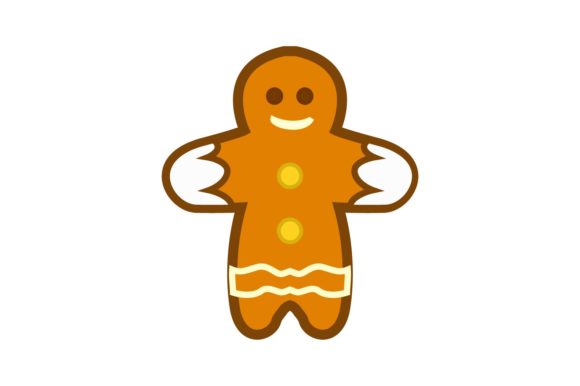
Gingerbread Line Art
As an embroidery designer and product reviewer, I often find myself evaluating new designs with a critical eye—especially when they’re meant for real-world use. Gingerbread Line Art caught my attention not just for its aesthetic appeal, but for how it could translate into practical embroidery projects. Let’s dive into what this design offers and where it truly shines.
The First Impression: A Warm, Nostalgic Mood
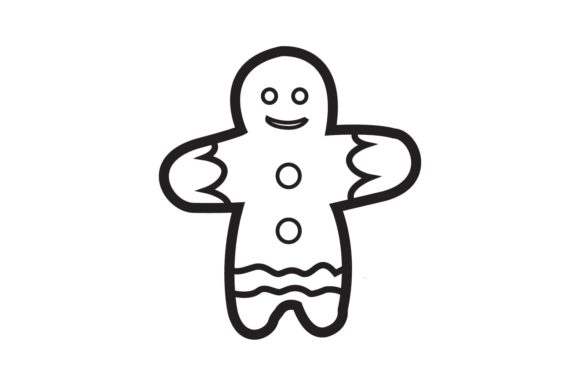
Gingerbread Line Art immediately evokes a sense of comfort and nostalgia. The clean, minimalist lines and the classic gingerbread theme make it feel like something you’d see on a vintage holiday card or a hand-painted ornament. It’s simple enough to work on a variety of fabrics and projects, yet detailed enough to add character without overwhelming the design space.
The layout is balanced, with a central motif that’s easy to scale and adapt. Whether you’re working on a baby onesie or a holiday-themed tote bag, the design has a natural flow that doesn’t require much adjustment. It feels like a design that was made with real crafters in mind—someone who wants to create something meaningful without too much fuss.
Real-World Embroidery Performance
When I tested Gingerbread Line Art on a few different fabrics, I was pleased with how it translated. On a cotton t-shirt, the line art held up well with a running stitch, giving a crisp, clean look. For a more textured project, like a sweatshirt or a baby onesie, I used a satin stitch to add dimension, which worked surprisingly well without making the design look too heavy.
This design is particularly suited for custom apparel, especially items like tote bags, aprons, and pillow covers. Its simplicity makes it ideal for small hoop sizes, which is a big plus for those working with limited machine space. However, I would advise caution if you're planning to use it on stretchy or thin fabrics. The line work can sometimes blur or distort if the fabric isn’t properly stabilized.
Where to Use It Carefully
- Small hoop sizes: While the design works in smaller hoops, very intricate details may get lost.
- Textured fabrics: The line art might not show up clearly on rough or uneven surfaces.
- Thin or stretchy fabrics: These can cause the stitches to pucker or the design to shift during sewing.
- Dark fabrics: The black line art stands out well on light backgrounds, but may not be as visible on dark materials.
- Curved surfaces: Caps or hats with curved areas may require some reworking to ensure the design stays in place.
For projects that need frequent washing, I recommend using a high-quality stabilizer and ensuring the stitch density is appropriate. This will help maintain the integrity of the design over time.
Impact on Visual Appeal and Customer Perception
Gingerbread Line Art adds a touch of elegance and charm to any finished product. When used on a personalized gift or a handmade item, it elevates the overall look and makes the piece feel more special. Customers often respond positively to designs that have a clear visual identity, and this one delivers that without being overly complex.
From a commercial standpoint, this design can be a valuable asset for Etsy sellers or small shop owners looking to offer unique, seasonal items. It’s also great for printable mockups, allowing designers to showcase their work before committing to production.
Practical Designer Notes
Before finalizing any project with Gingerbread Line Art, I always recommend testing it on scrap fabric. This helps you understand how the design interacts with your chosen material and whether any adjustments are needed. Checking thread color contrast is also essential—especially if you’re planning to use this design on darker fabrics.
Reviewing the stitch density is another key step. If the design is too dense, it can cause the fabric to pucker or the stitches to become too thick. Conversely, if it’s too sparse, the design may not hold up well over time.
Make sure to confirm the hoop size required for your project. Some designs may need a larger hoop than you expect, so it’s best to double-check. Also, inspect small details closely—especially if you’re planning to use this for a baby item or a delicate garment.
Finally, don’t forget to test the design in both black and white mockups. This helps you visualize how it will look on different backgrounds and ensures it meets your creative vision.
Conclusion: A Versatile Design for Thoughtful Projects
Gingerbread Line Art is a solid choice for anyone looking to add a touch of warmth and tradition to their embroidery projects. It’s versatile, easy to work with, and has a timeless quality that makes it suitable for a wide range of applications. Whether you’re creating a custom gift, a boutique product, or a seasonal item for your craft business, this design has the potential to enhance your offerings significantly.
Just remember to approach it with care—especially when working with delicate fabrics or complex projects. With the right preparation and attention to detail, Gingerbread Line Art can become a staple in your design library, helping you create beautiful, professional-looking finished products that your customers will love.