Crafting in Progress – A Versatile Freebie for Creative Content
First Impressions: A Design That Sparks Imagination
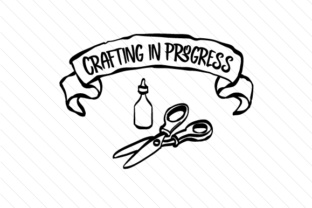
When I first encountered the Crafting in Progress design asset, it immediately struck me as a visually engaging and editorially versatile option. The imagery evokes a sense of process, creativity, and hands-on involvement—perfect for content niches that celebrate making, crafting, or DIY culture. It feels lifestyle-focused yet professional enough to support educational or product-based content.Real-World Publishing Use Cases
One of the strengths of Crafting in Progress is its adaptability across different publishing formats. Here are several ways I’ve integrated similar assets into real workflows:- Blog Featured Images: The graphic adds a dynamic edge to article headers, especially when paired with headlines about creative processes, project tutorials, or material sourcing.
- Pinterest Graphics: Its visual warmth and clear focus work beautifully for pins promoting downloadable resources, kits, or affiliate products related to crafts.
- Newsletter Headers: When used in email campaigns, it reinforces a brand’s creative identity while drawing attention to new content or promotions.
- Digital Guides & Lead Magnets: Incorporating this design helps establish a cohesive theme for free printables, worksheets, or beginner's guides focused on crafting.
- Website Banners: As a header for a category page like “Crafting Tips” or “DIY Projects,” it enhances user experience by signaling relevance through visual cues.
- Social Media Previews: For Instagram stories, Facebook posts, or YouTube thumbnails, the design supports quick recognition and click-through potential due to its bold but not overwhelming style.
Supporting Content Performance with Strong Visuals
In content publishing, visuals are the first point of contact. The Crafting in Progress asset contributes significantly to content performance in several key areas:Stronger First Impression: The design immediately communicates creativity and effort, which is essential for capturing attention in a sea of digital content.
Clearer Visual Hierarchy: With its layered composition and focal points, it can be adapted to highlight headlines, calls-to-action, or featured products effectively.
Better Click-Through Potential: Especially on Pinterest and social media platforms, the aesthetic appeal encourages users to engage with the linked content.
Consistent Branding: If your blog or website leans into a creative, handmade, or lifestyle-driven identity, this asset can become part of your visual toolkit for maintaining consistency across all touchpoints.
Improved Reader Trust: High-quality, intentional design signals professionalism and dedication to detail—key traits for building credibility in niche communities.
Enhanced Category Recognition: Using it across related sections (e.g., DIY tutorials or craft room setup guides) helps readers quickly identify what kind of content they’re browsing.
Where This Asset Shines
I've found that the Crafting in Progress cut file works best in the following scenarios:- Hero Images: On landing pages or blog post openers where a strong visual hook is needed.
- Article Thumbnails: For blog archives or content grids, where it maintains clarity and interest without overcomplicating the layout.
- Pinterest Pins: Its detailed nature and warm color palette lend themselves well to vertical compositions that perform better on the platform.
- Editorial Accents: Used subtly in sidebars, banners, or background textures to reinforce a creative theme without distracting from the main content.
- Content Upgrades: Ideal for wrapping around digital downloads such as templates, planners, or printable guides aimed at crafters.
- Category Visuals: Helps distinguish content blocks in navigation menus or blog index pages dedicated to crafting topics.
Use Carefully in These Situations
While Crafting in Progress is a powerful tool, it's important to consider context and audience before applying it broadly:- Small Mobile Thumbnails: Details may get lost in low-resolution previews; simplify the image or use it as a background element instead.
- Text-Heavy Blog Images: Avoid overlaying too much text directly onto the design unless contrast and legibility are carefully managed.
- Low-Contrast Backgrounds: Ensure that the colors used in the design don’t clash or blend with surrounding content, reducing readability.
- BUSY Layouts: In designs with multiple layers or animations, let this asset stand alone rather than competing for attention.
- Professional or Corporate Niches: Unless you're specifically targeting lifestyle entrepreneurs, avoid using it in contexts requiring a more formal tone.
- Minimalist Websites: It may feel out of place if your overall site design is ultra-clean or modern minimalism-focused.
Practical Publisher Notes
Before finalizing the use of Crafting in Progress in your publishing projects, here are some actionable steps I recommend taking:- Test Across Devices: Check how the asset appears on both desktop and mobile screens to ensure responsiveness and usability.
- Thumbnail Preview Test: Crop the image to simulate how it will look in blog archives or Pinterest feeds—does it still hold visual interest?
- Integrate Into Real Layouts: Place the design within your actual blog template or Canva layout to see how it interacts with other elements.
- Overlay Headline Text: Try placing short, punchy headlines on top of the asset to assess readability and balance.
- Contrast & Readability Checks: Make sure any overlaid text or icons remain legible against the background details.
- Black and White Testing: Some platforms render images in grayscale—confirm the asset remains impactful even in monochrome form.
- Font Pairing Experiments: Try pairing it with various font styles—serif, sans serif, script, handwritten, display—to find the most harmonious combination.
- Web Performance Optimization: Compress the file size appropriately to maintain fast loading times, particularly for high-traffic areas like headers or lead magnets.
- Commercial License Confirmation: Always verify that you have the right to use the asset on monetized sites, affiliate links, or paid digital products.